Intro

Authenticity and Emotional Safety in Dating
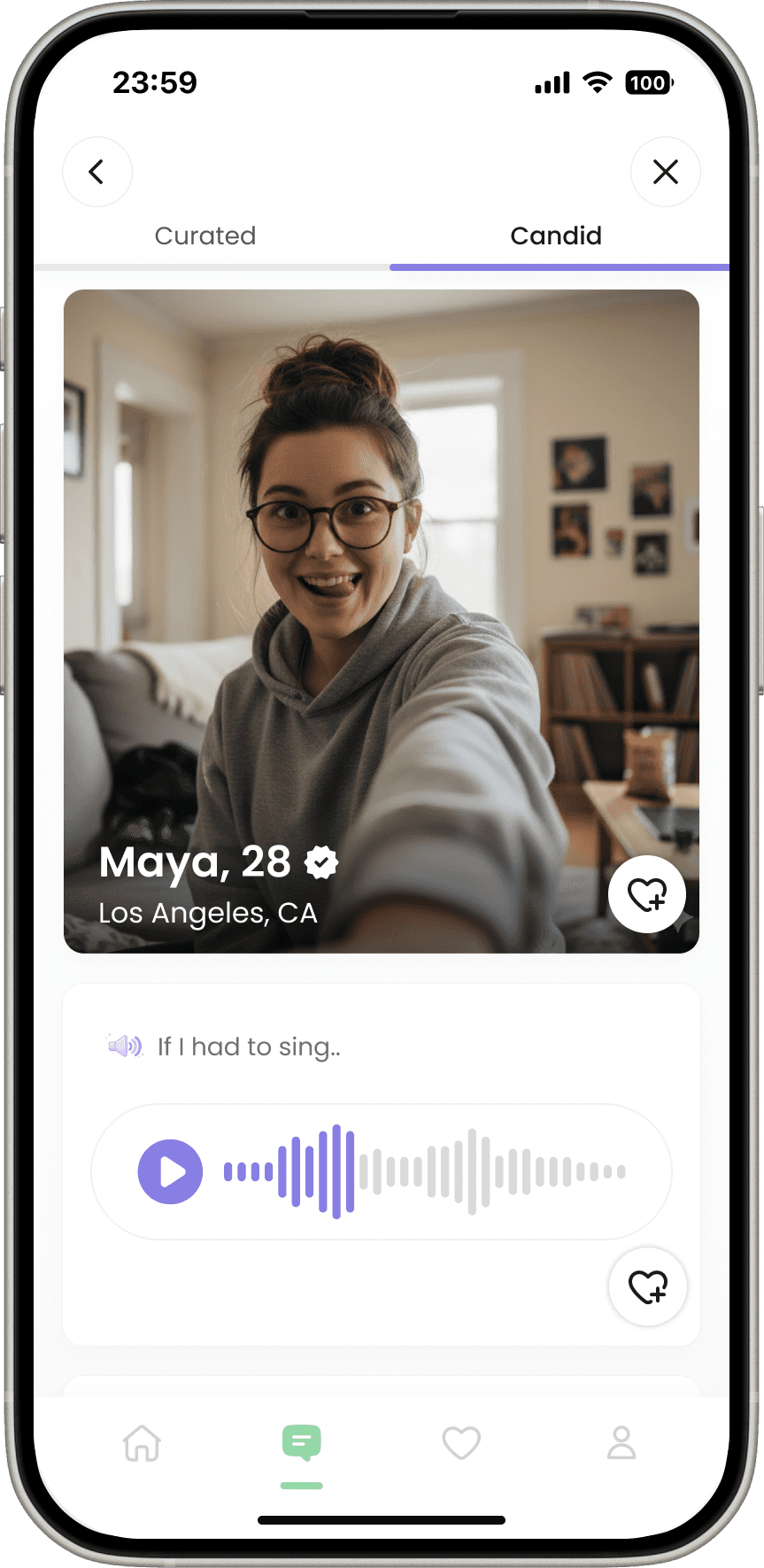
The standout feature is its Dual Profile, users have two sides to their profile:
Curated Profile that’s revealed upfront as a polished first impression
Candid Profile that starts locked and represents a more vulnerable side.
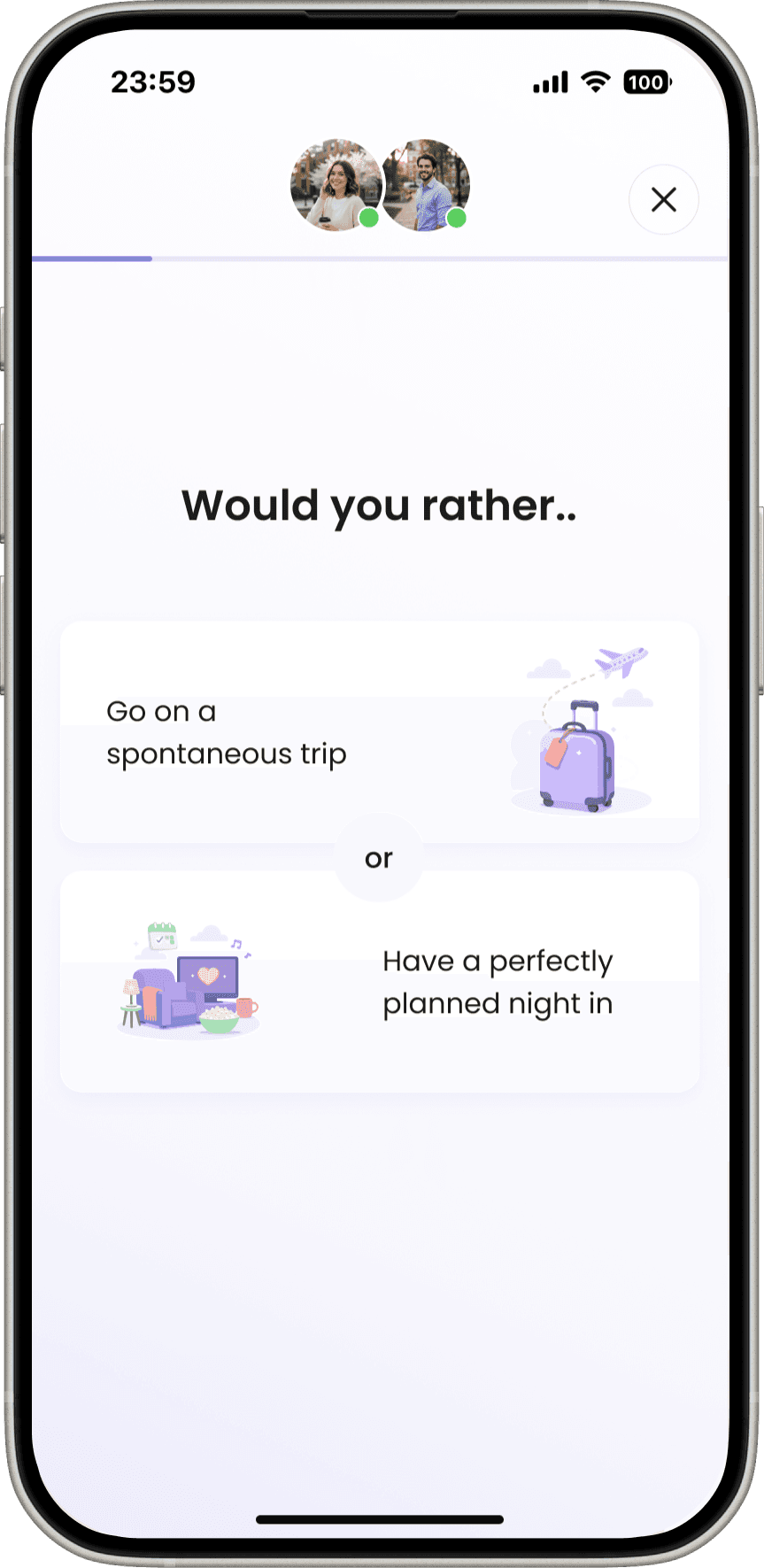
After matching, users play a game of Would You Rather to break the ice and unlock the Candid Profile.
This encourages a deeper, more intentional connection at a time when many young people struggle to show up authentically and find meaningful matches.
Two Vera, Two Truths, One Team
Thomas Colquhoun, Founder of Two Vera
Client
Janelle Slater
Game Feature
Giulia Miele
User Feed
Sydney Belle
Match Moment
Project through UX/UI Academy with real client, 4 week timeline
Context
Intro
Authenticity and Emotional Safety in Dating
The standout feature is its Dual Profile, users have two sides to their profile:
Curated Profile that’s revealed upfront as a polished first impression
Candid Profile that starts locked and represents a more vulnerable side.
After matching, users play a game of Would You Rather to break the ice and unlock the Candid Profile.
This encourages a deeper, more intentional connection at a time when many young people struggle to show up authentically and find meaningful matches.
Two Vera, Two Truths, One Team
Thomas Colquhoun, Founder of Two Vera
Client
Janelle Slater
Game Feature
Giulia Miele
User Feed
Sydney Belle
Match Moment
Project through UX/UI Academy with real client, 4 week timeline
Context
My Role as a UX Designer - Game Feature
Competitive Analysis - Usability scripts - User interviews - User testing - Analyzing feedback - Prioritizing features
Research
Flows - Sketches - Wireframing - Prototyping - Mid-fidelity - Hi-Fidelity - Final product - Handoff
End-to-End Design
My Role as a UX Designer - Game Feature
Competitive Analysis - Usability scripts - User interviews - User testing - Analyzing feedback - Prioritizing features
Research
Flows - Sketches - Wireframing - Prototyping - Mid-fidelity - Hi-Fidelity - Final product - Handoff
End-to-End Design
Research
TwoVera, Too Far from True
Inconsistent Visual Style
Flows felt and looked like different apps
Lack of clarity
Incomplete and untestable flows
Dual profile and Game unlock feature not understood
Lack of Connection and Authenticity
Incomplete and untestable flows
Dual profile and Game unlock feature not understood
Low emotional payoff
Swipe fatigue combined with cluttered match visuals reduced excitement and intention
Research
Two Vera Before
Two Vera Before
Inconsistent Visual Style
Flows felt and looked like different apps
Lack of clarity
Incomplete and untestable flows
Dual profile and Game unlock feature not understood
Lack of Connection and Authenticity
Incomplete and untestable flows
Dual profile and Game unlock feature not understood
Low emotional payoff
Swipe fatigue combined with cluttered match visuals reduced excitement and intention
TwoVera, Too Far from True
Define
Aligning with the Client
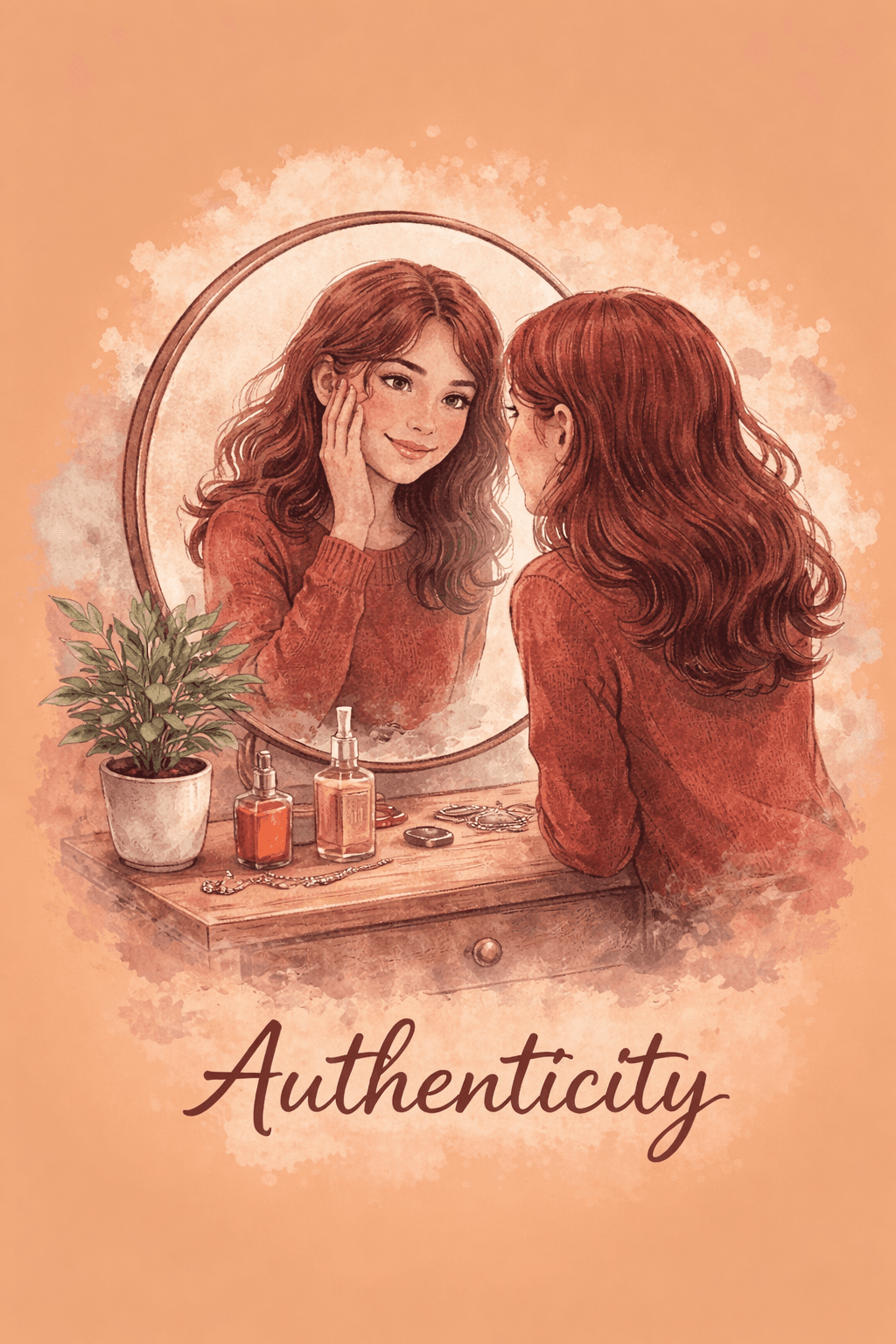
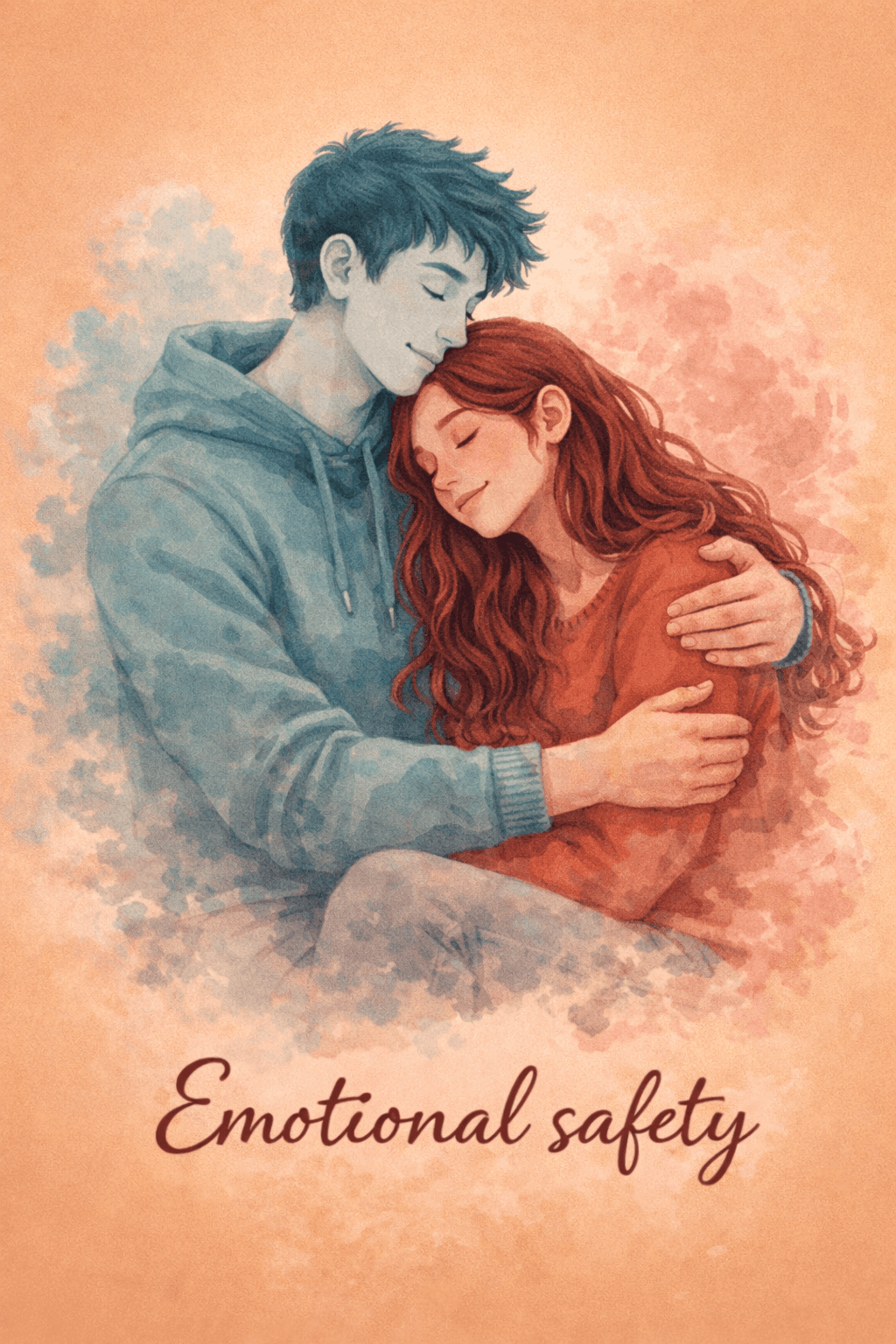
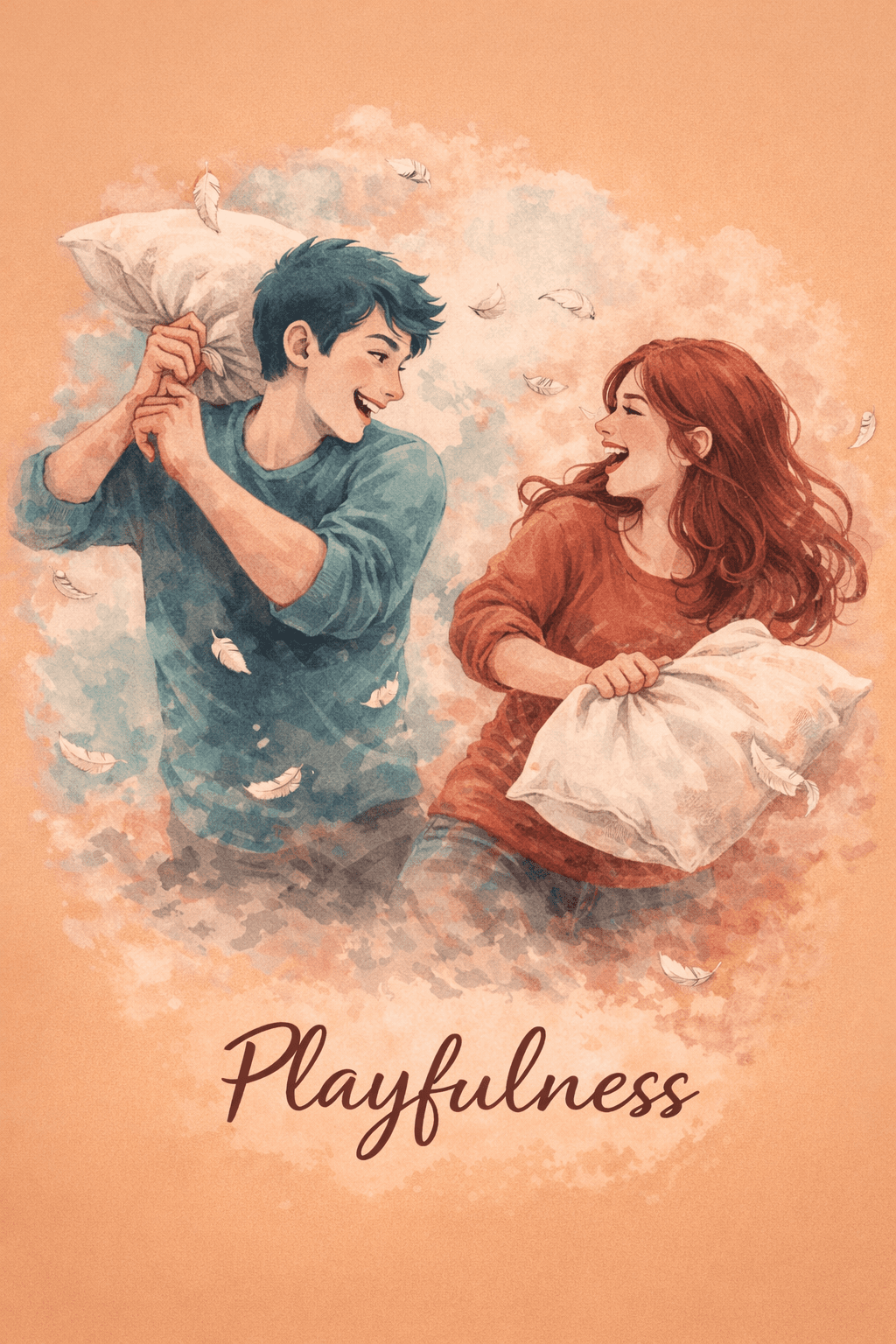
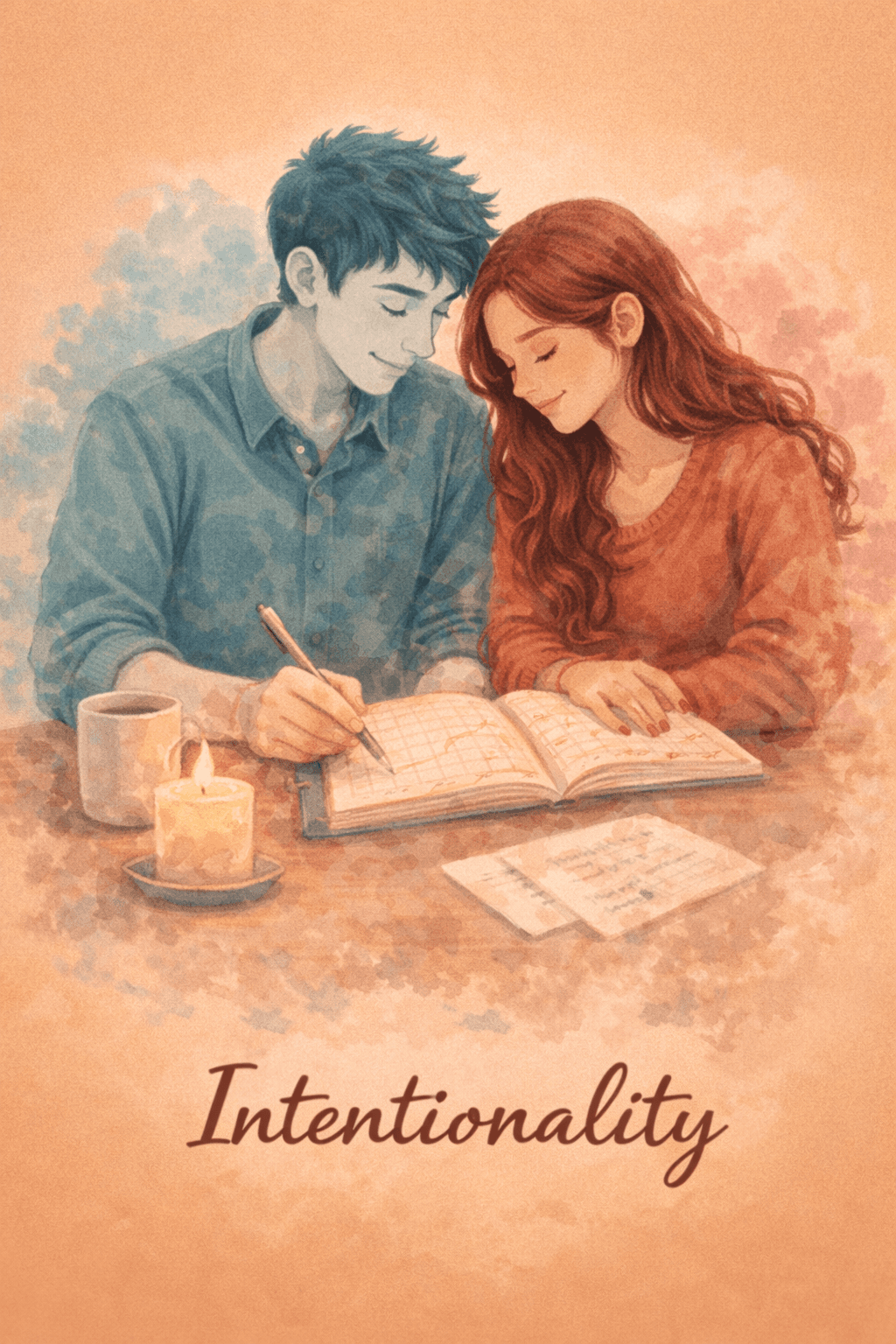
Authenticity, Emotional Safety, Intentionality, and Playfulness
Our client-aligned goals were to ensure the User Feed, Match Moment, and Game Feature clearly reflected TwoVera’s core brand values—Authenticity, Emotional Safety, Intentionality, and Playfulness. We also focused on making the Dual Profile system and game-based unlocks easy to understand, while creating a cohesive experience through a shared style guide.
We were given creative freedom as long as decisions were backed by research and we shared regular updates with the client. While we were able to iterate on most of the product, we maintained key requirements: the purple, green, and pink color palette, the Dual Profile concept, and the game-based unlock experience.
Mapping Meaningful Connections
User Feed, Match Moment, Game Feature
While I owned the Game Feature flow, our team maintained a collaborative approach—sharing suggestions, iterating on solutions, and reviewing each other’s work to ensure all flows felt cohesive.
Across all flows, we encountered several usability challenges, including missing or confusing steps, which made testing difficult.
A critical challenge impacting all flows was users’ confusion around the dual-profile system. Addressing this was essential to creating a seamless experience across the app.
User Feed and Match Moment Flow
Problem
Dual-Profile System introduced too early
Both Curated and Candid profiles visible upfront. This removed the sense of progression and made the game feel unnecessary. As a result, users were less motivated to continue engaging or build deeper connections.
Solutions
Single Reaction Flow
Users react to a specific element of a Curated Profile and can optionally leave a comment. If the other user reciprocates, it results in a match.
Candid Reveal
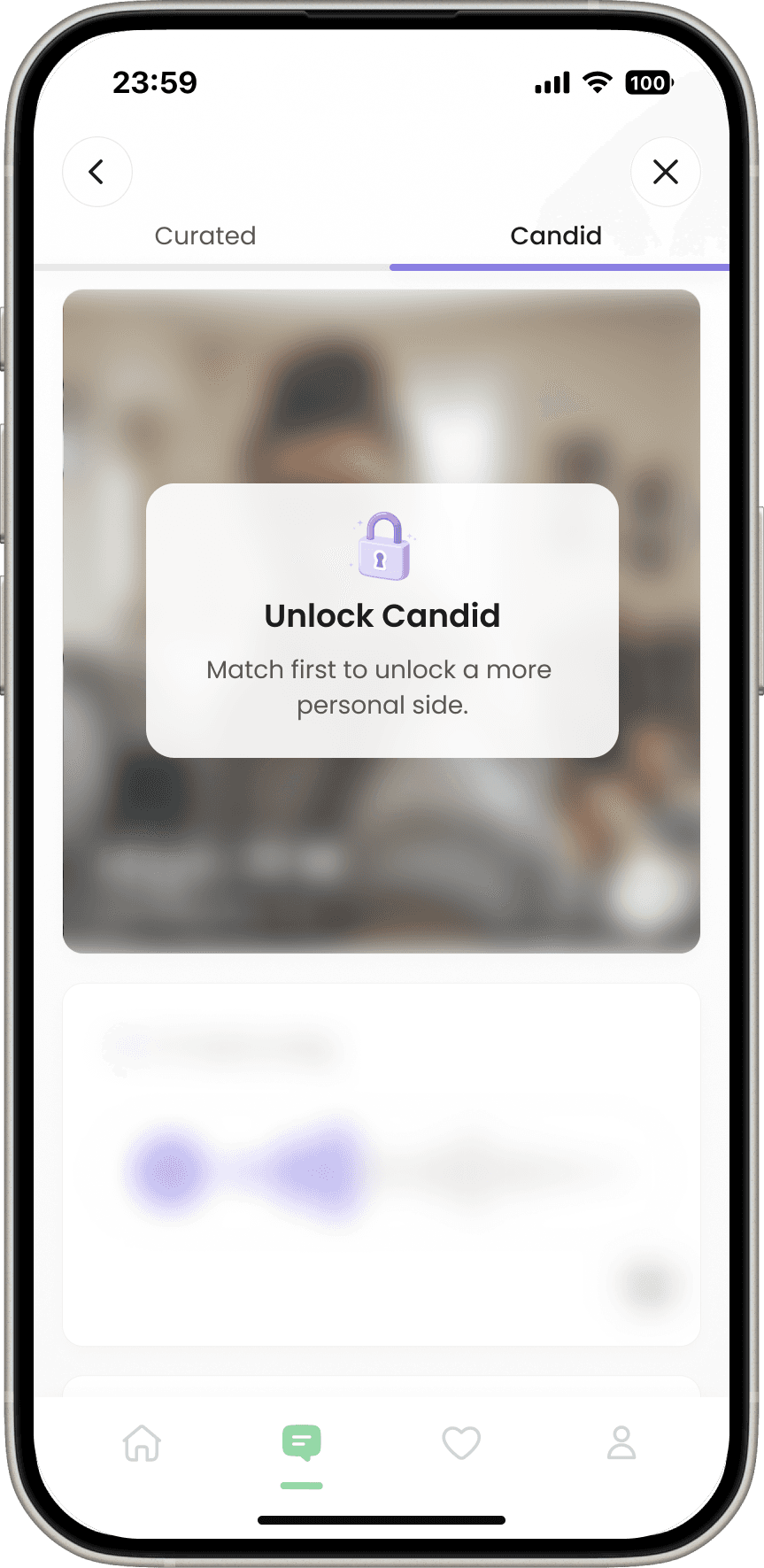
Users can now only view each other's curated sides up front, while the candid remained locked until users match and play a game of Would you Rather together.
This increases intentionality and made match moments feel meaningful, while naturally encouraging users to engage with the Game Feature as the next step.
Game Feaure Flow
Problem
Gameplay modal was unclear
Users didn’t know whether the game was live or turn-based, which caused confusion and limited testability. During gameplay, users also felt disconnected due to a lack of visual cues showing the other person’s presence.
Exploration
Scheduled Sessions
This added friction and reduced spontaneity
Turn-Based play
Flexible but reduced momentum and excitement
Live Gameplay
This created the strongest sense of connection but required both users to be available at the same time
Solution
Hybrid Game
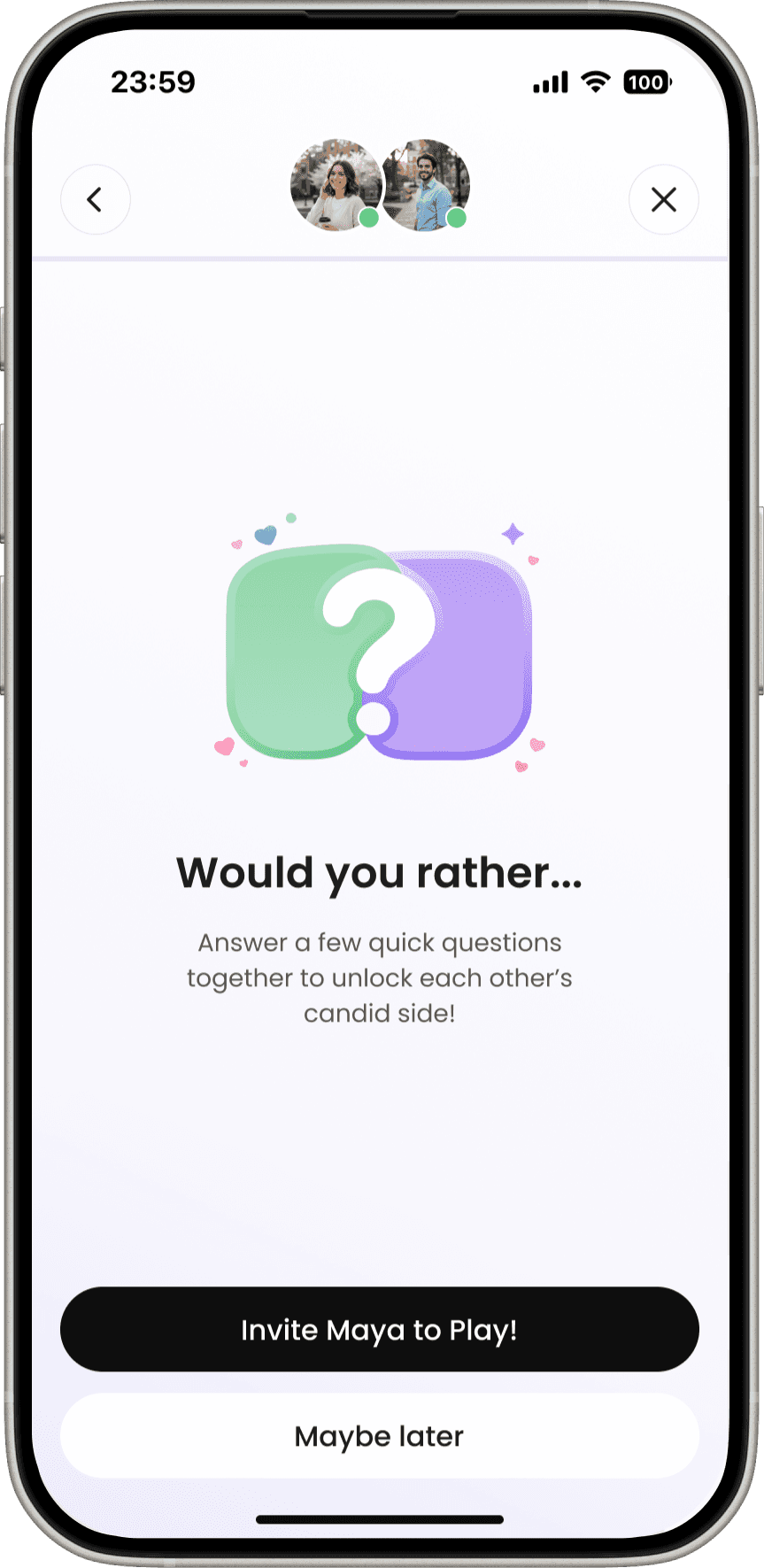
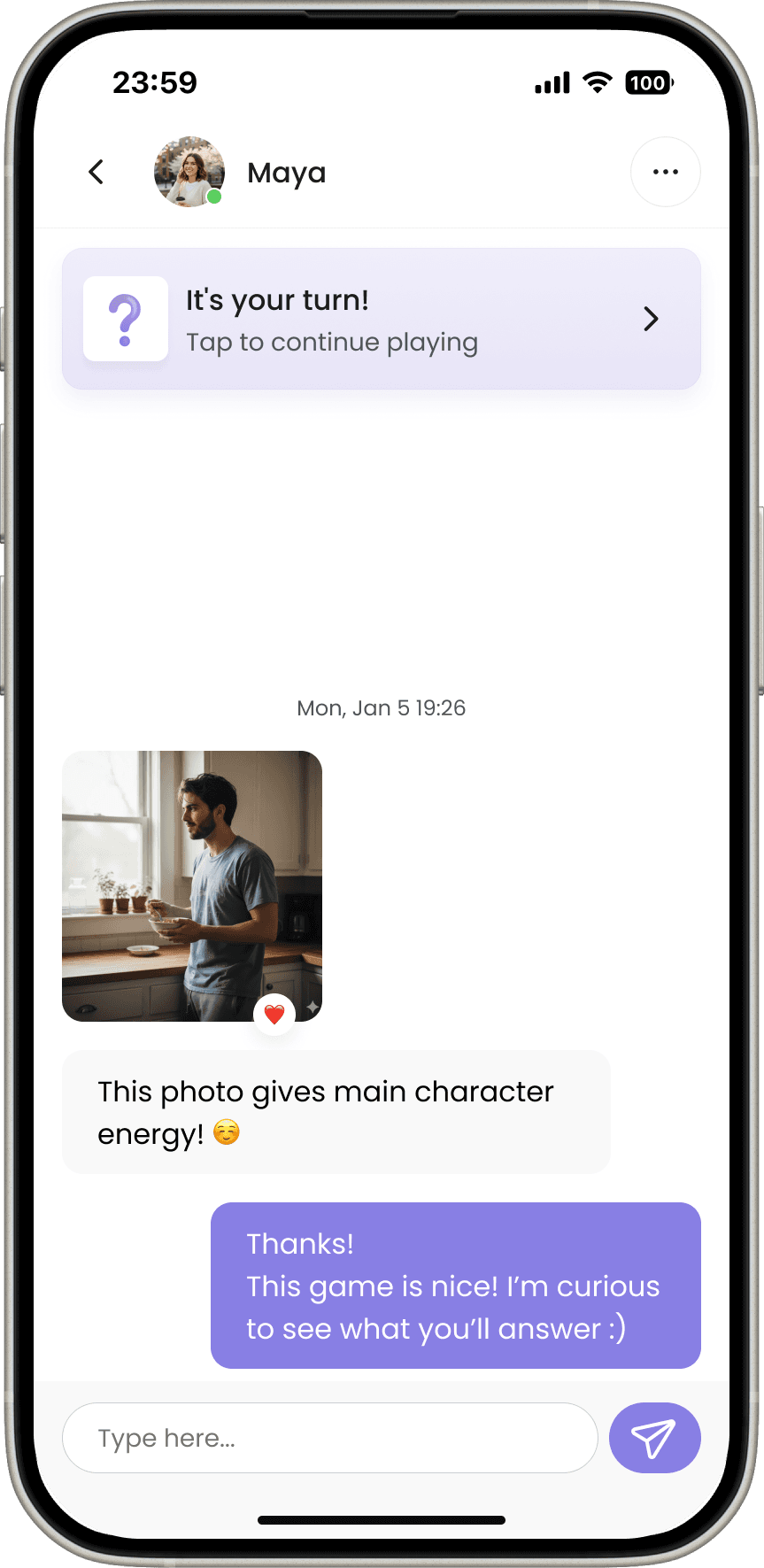
After matching, User A sends a game invite. If both users are available, they play Would You Rather live, preserving spontaneity and momentum. If User B is unavailable, the game seamlessly transitions to a turn-based mode, allowing users to continue at their own pace.
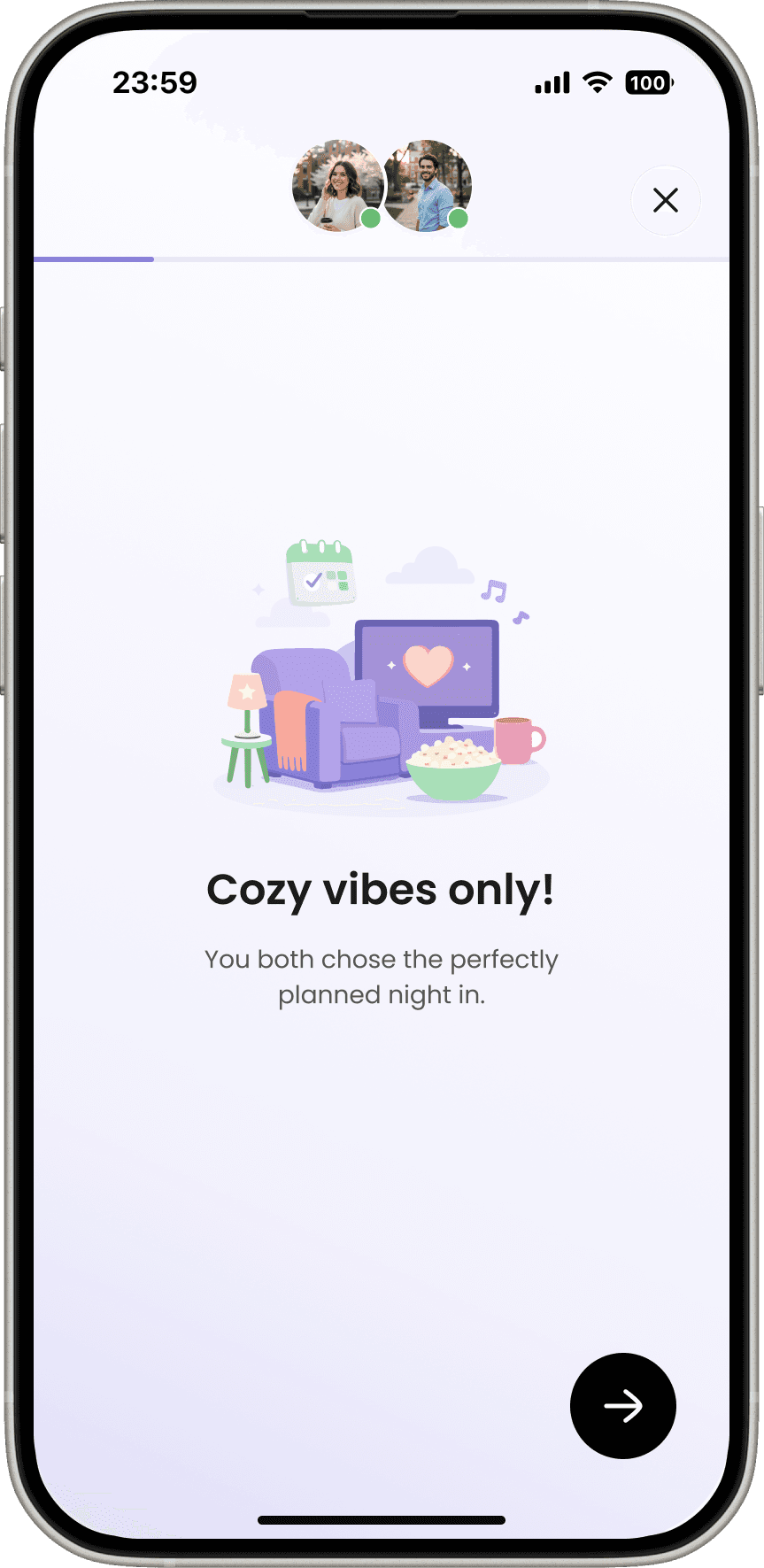
Users can re-enter the game through messages and receive notifications when it’s their turn. To further reinforce a shared experience, answer-reveal screens were added after each question, showing both users’ responses and strengthening the feeling of playing together.
This approach balanced connection and convenience and was preferred by both the client and development team.
Design
Keeping it Real in Mid-Fi
I continued to own the Game Feature as I translated the user flows into mid-fidelity designs, incorporating research insights from previous teams into each iteration. The primary goal at this stage was to create a clear, complete, and fully testable prototype. Mid-fidelity designs were treated as a blueprint, prioritizing structure—such as layout, hierarchy, and flow logic—before visual refinement.
Mid-Fi Iterations - Game Feature
Clarified game instructions & Added progress bar
To set expectations and reduce drop-off
Added waiting lobby
To encourage live gameplay and allow smooth transition to turn-based if need be
Added loading animations
To signal the other user’s presence and decision-making
Displayed active status markers on profiles
To reinforce real-time participation
Revealed both users' answers after each question
To strengthen the sense of playing together
Restructured question and result screens
To improve clarity during the game
Testing
Hi-Fi Heartbeats
Four people with prior dating app experience, between the ages of 25 and 30 were interviewed.
Users favored unlocking the full Candid Profile after completing the game, rather than gradual reveals
Some of the biggest changes across the app focused on creating a cohesive visual system, refining the style guide, streamlining layouts and backgrounds, and updating the guide to reflect the final design decisions.
User Feed and Match Moment Insights
Confusion around pacing and labels highlighted the need for lightweight onboarding
Dual-profile concept seen as unique and refreshing
Single Reaction flow felt simple, and intuitive
Game Feature Insights
Would You Rather worked as a natural conversation starter
Waiting Lobby helped users understand and anticipate live gameplay
Live gameplay was strongly preferred over turn-based
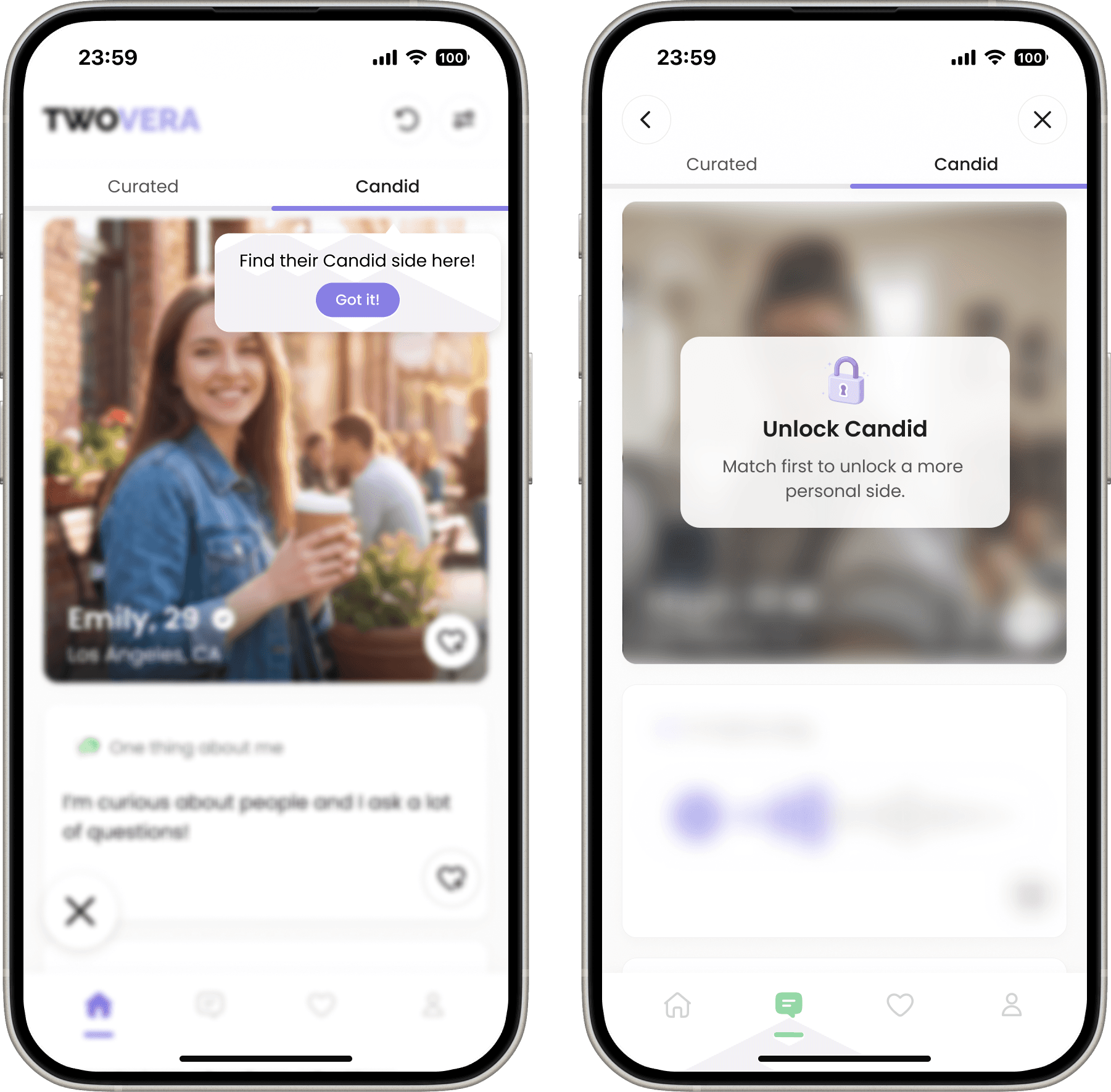
Curated/Candid Toggle Improvements
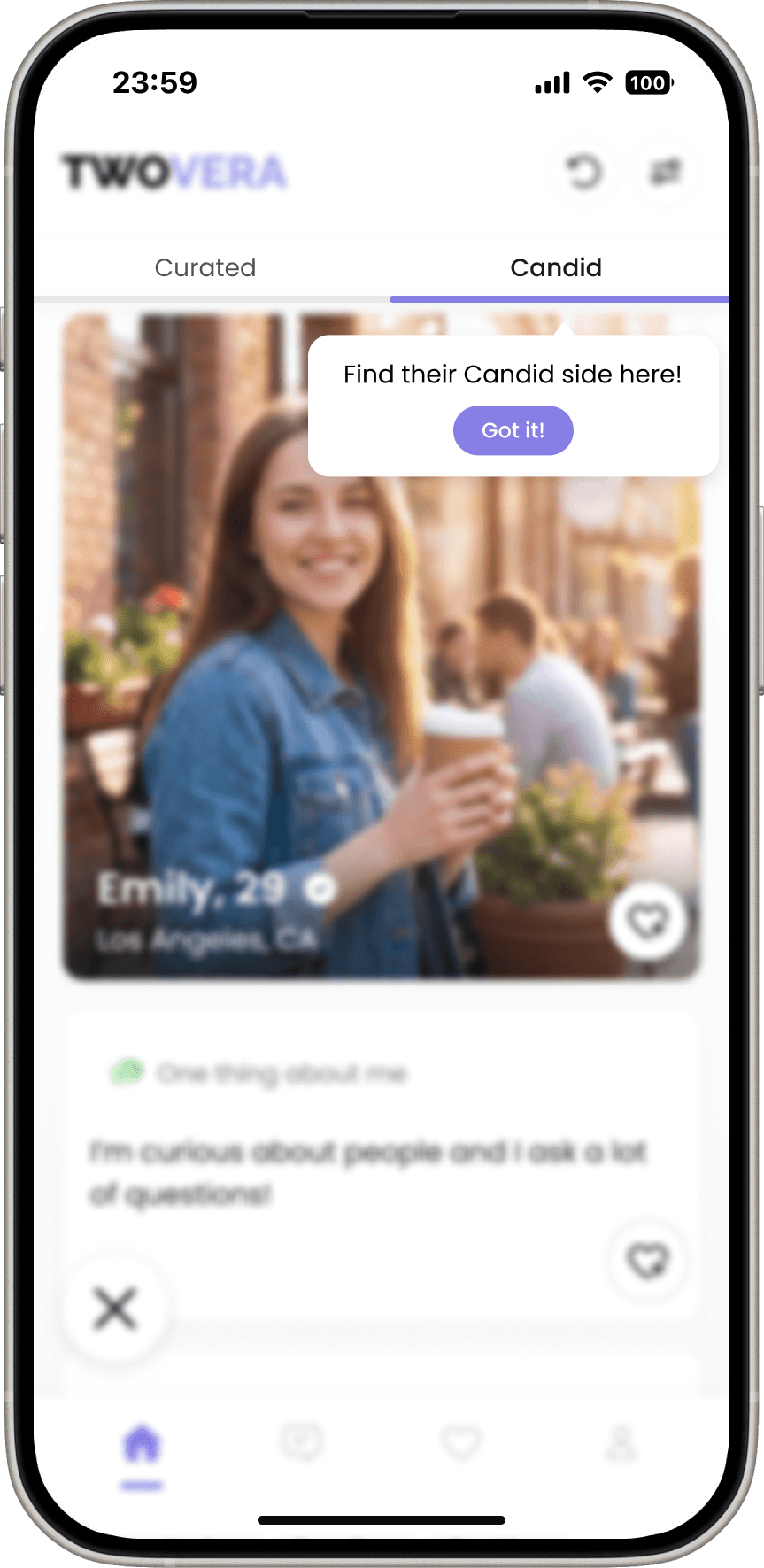
Clearer Labels: Added labels to the Candid/Curated toggle to help users understand its purpose.
Increased Visibility: Introduced a tooltip to draw attention to the toggle, addressing the issue that users were originally overlooking it.
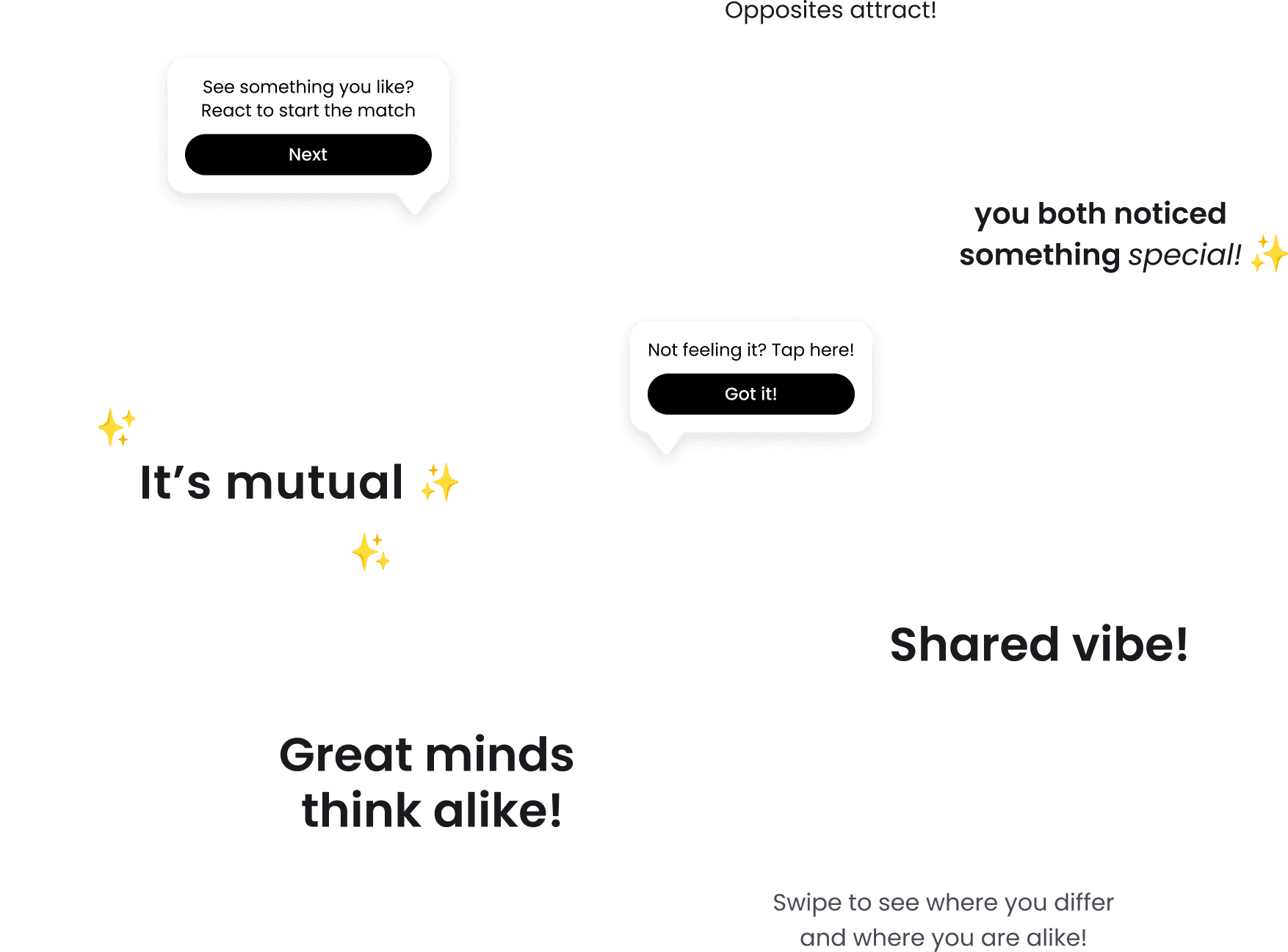
Human Centered Copy
The text throughout the site—including instructions and button labels—was rewritten with a friendly, approachable tone. This human-centered approach created a more welcoming and supportive experience.
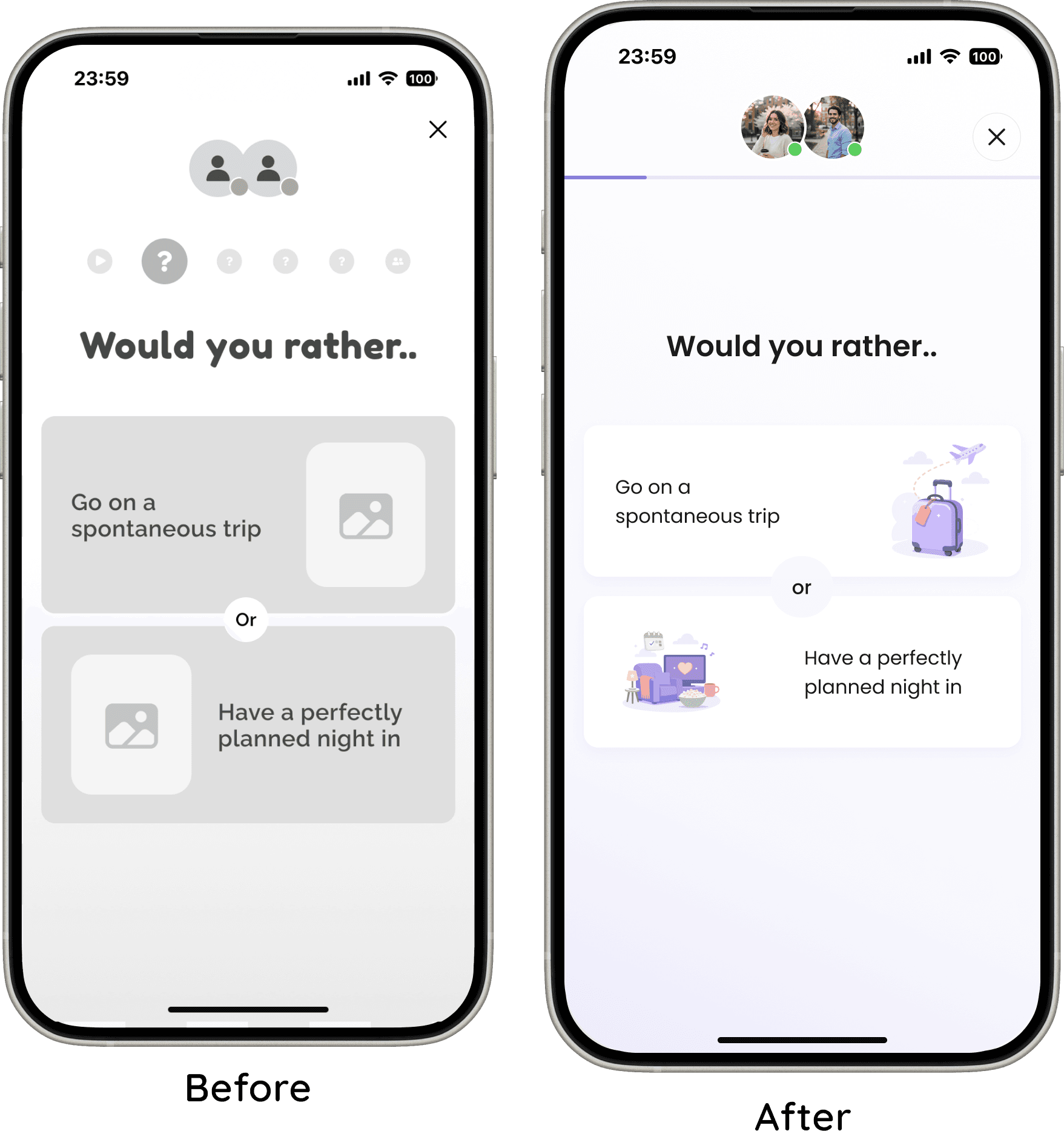
Playful Feel to Game
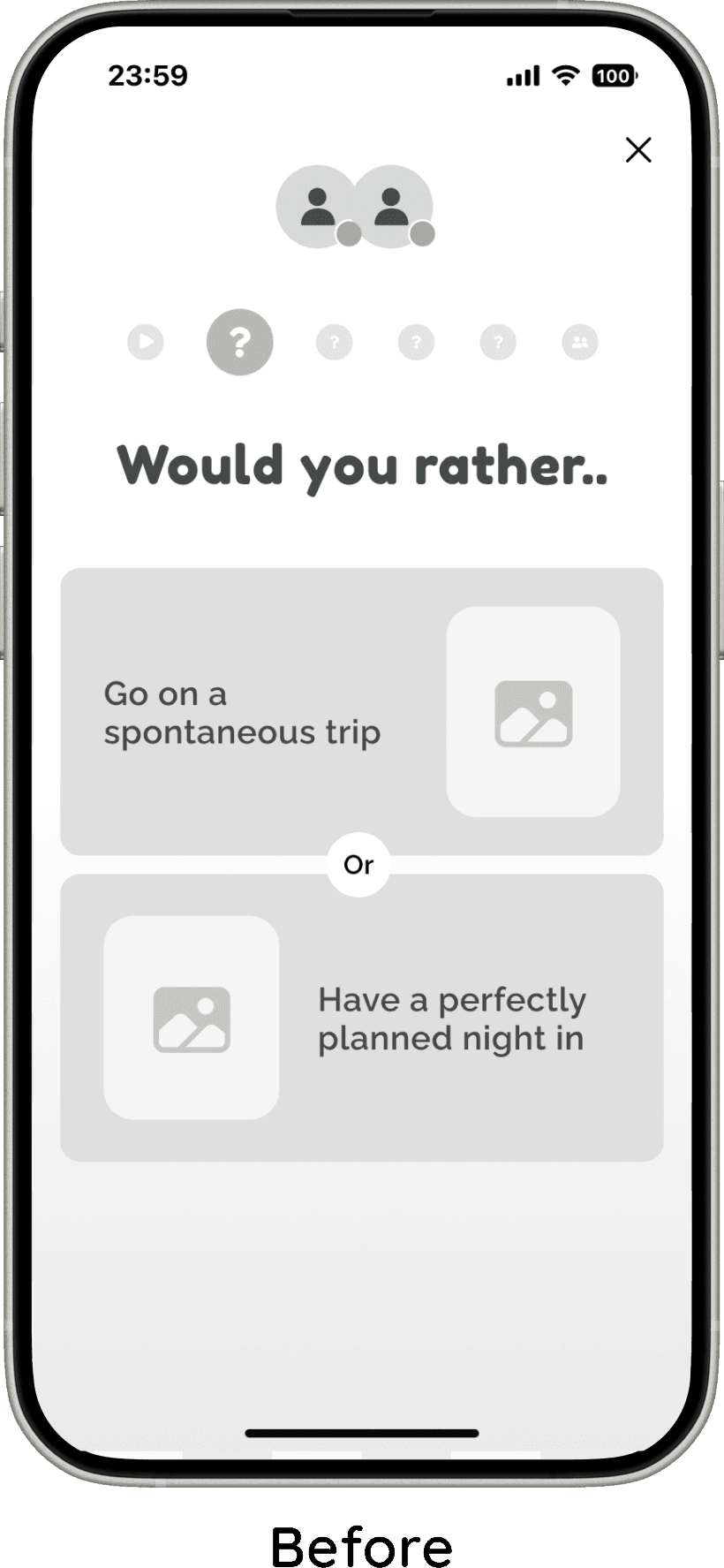
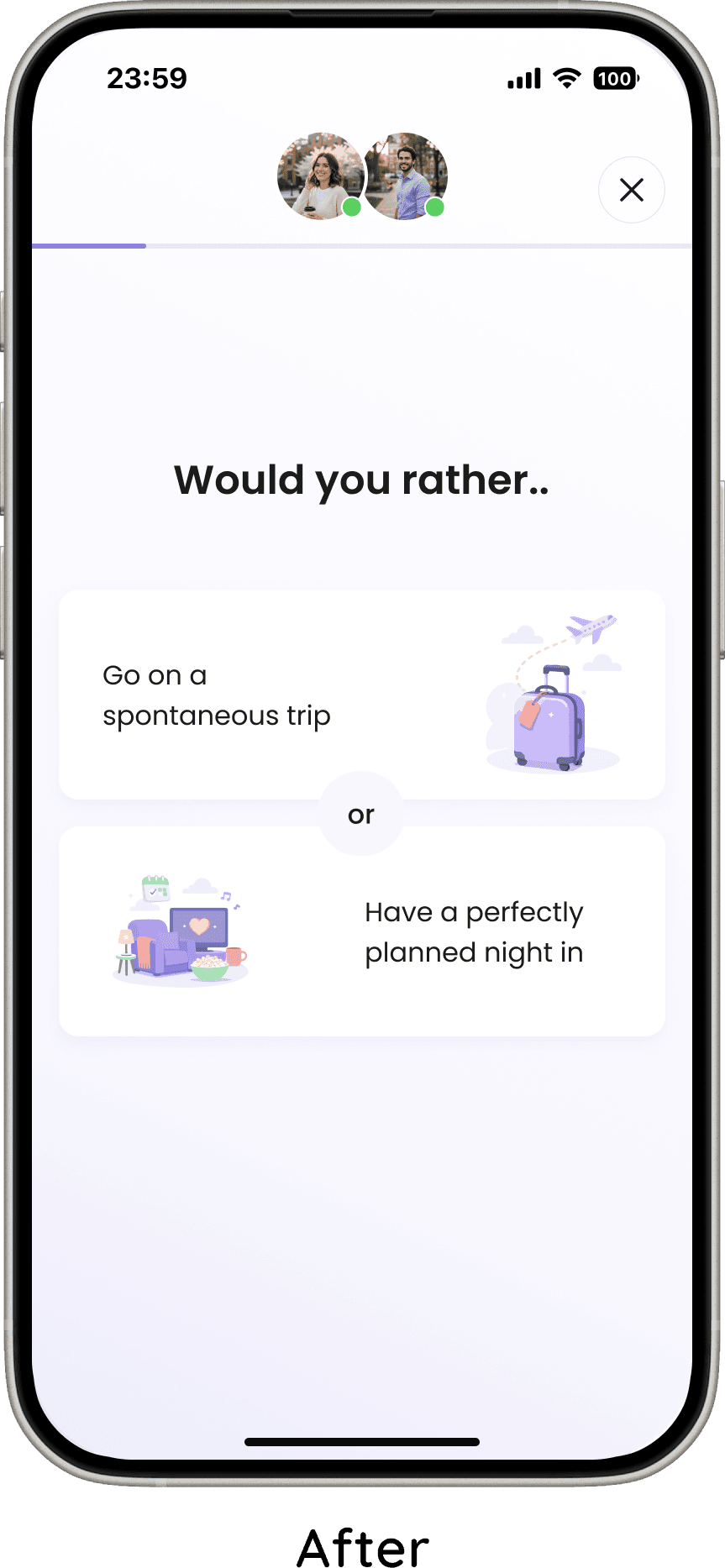
To make the game flow feel more engaging and enjoyable, playful illustrations and animations were introduced to bring the experience to life, making interactions feel dynamic and fun.
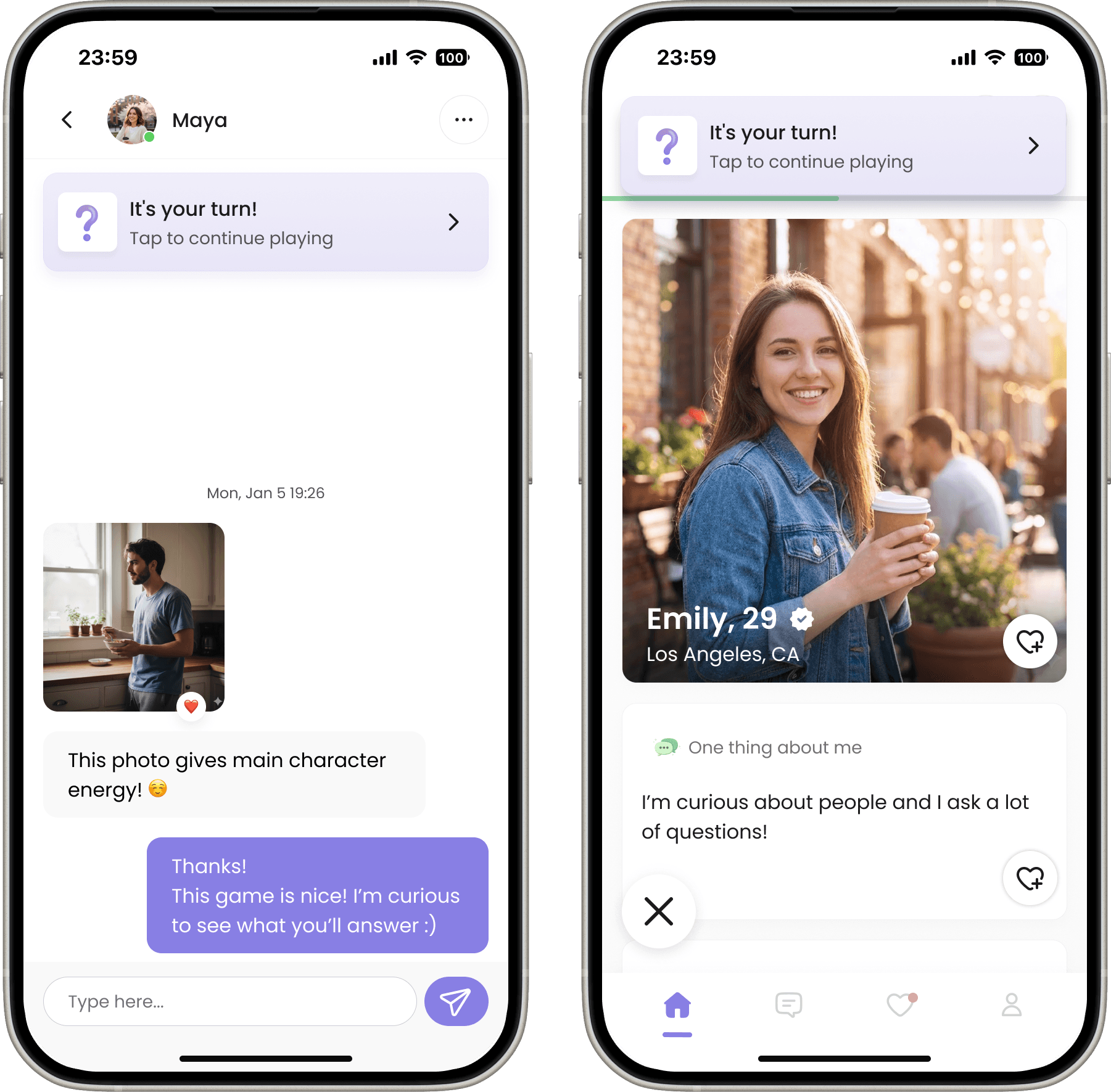
Game Notifications
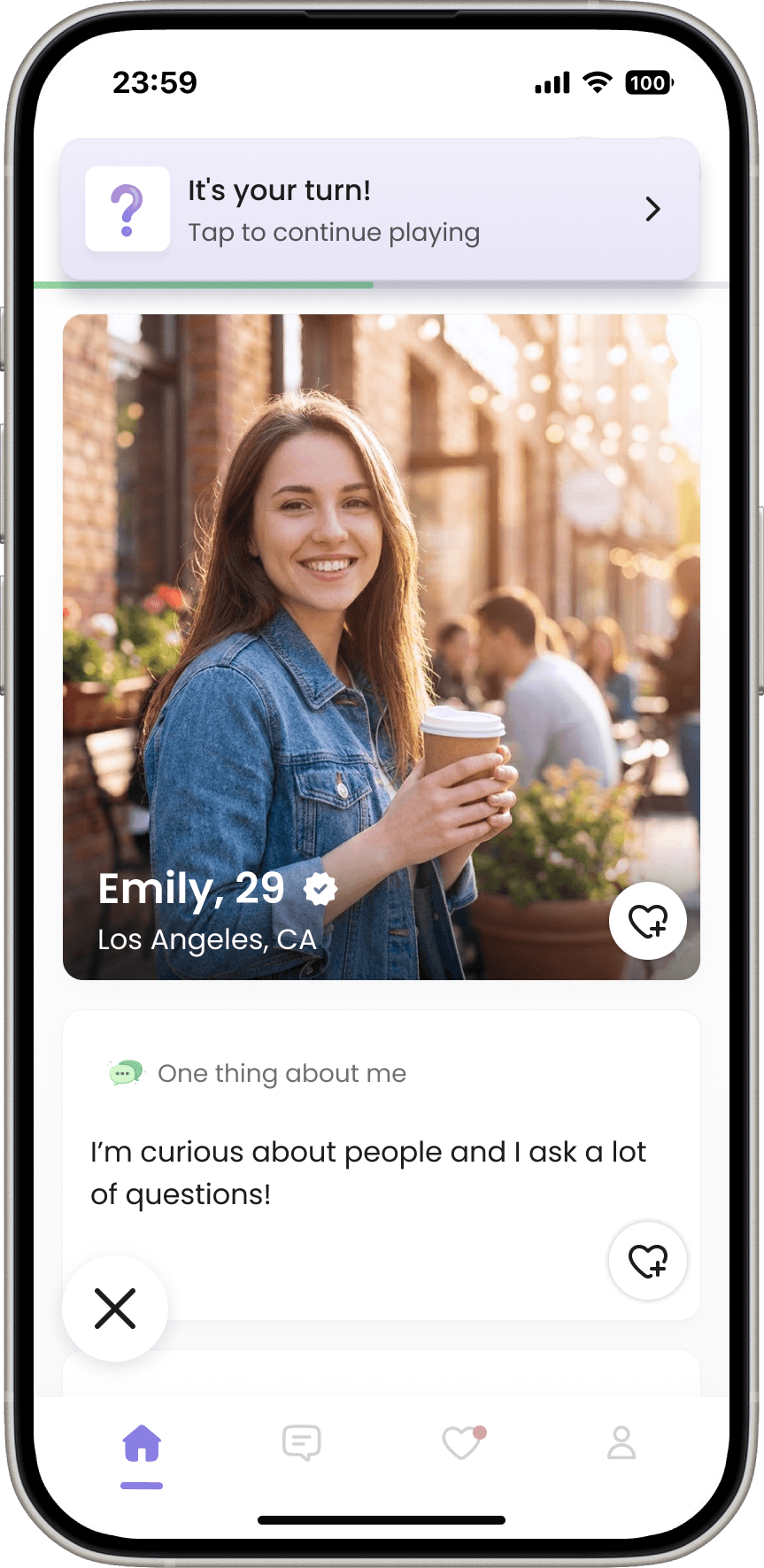
For the turn-based version of the game, notifications were added and designed to be visually appealing to clearly indicate when it’s a user’s turn to play.
This improvement kept users engaged and informed, reducing confusion and encouraging timely participation in the game flow.
Four people with prior dating app experience, between the ages of 25 and 30 were interviewed.
Users favored unlocking the full Candid Profile after completing the game, rather than gradual reveals
Some of the biggest changes across the app focused on creating a cohesive visual system, refining the style guide, streamlining layouts and backgrounds, and updating the guide to reflect the final design decisions.
Hi-Fi Heartbeats
Curated/Candid Toggle Improvements
Clearer Labels: Added labels to the Candid/Curated toggle to help users understand its purpose.
Increased Visibility: Introduced a tooltip to draw attention to the toggle, addressing the issue that users were originally overlooking it.
User Feed and Match Moment Insights
Confusion around pacing and labels highlighted the need for lightweight onboarding
Dual-profile concept seen as unique and refreshing
Single Reaction flow felt simple, and intuitive
Game Feature Insights
Would You Rather worked as a natural conversation starter
Waiting Lobby helped users understand and anticipate live gameplay
Live gameplay was strongly preferred over turn-based
Testing
Hi-Fi Testing
Four people between the ages of 25 and 34 were interviewed.
User Feed & Match Moment Findings
Half of the users missed the Candid/Curated toggle initially.
Adding tooltips increased confidence and helped users understand key interactions
Game Feature Findings
The “Would You Rather” game remained a standout feature.
Users found it to be an effective icebreaker that was fun and low-pressure.
Playing the game enhances emotional connection between users.
Final Iterations
Game Flow Enhancements
Users now unlock the full Candid side after one game; question screens were differentiated from answer screens for clarity.
Live Gameplay Emphasis
Continued preference for live play, encouraged through:
Instructional text, Turn-based opt-in popup, Waiting lobby, Disabled CTA until waiting period ended
UI & Accessibility Enhancements
Improved timer, question cards, and turn indicators to match the app’s style and meet accessibility standards
Modernized Visual Style
Updated visuals, illustrations, and animations while maintaining cohesion across the app
Hi-Fi Testing
Four people between the ages of 25 and 34 were interviewed.
Final Product
Final Designs Unlocked
The founder of Two Vera's feedback was very positive.
He was very enthusiastic about the final product, praising both the visual design and the overall flow of the app. He emphasized the strength of the team’s research-driven decisions and expressed confidence in the product’s readiness for development, stating:
“It looks incredible. It feels like an app now!”
“Skilled team of talented designers who completed thorough research and produced professionally polished work. Excellent communication and collaboration throughout. Highly recommend.”
He went on to share interest in continuing the collaboration.
“If you have any interest in any further work with TwoVera, please let me know!”
User Feed
The founder of Two Vera's feedback was very positive.
He was very enthusiastic about the final product, praising both the visual design and the overall flow of the app. He emphasized the strength of the team’s research-driven decisions and expressed confidence in the product’s readiness for development, stating:
“It looks incredible. It feels like an app now!”
“Skilled team of talented designers who completed thorough research and produced professionally polished work. Excellent communication and collaboration throughout. Highly recommend.”
He went on to share interest in continuing the collaboration.
“If you have any interest in any further work with TwoVera, please let me know!”
Final Designs Unlocked
User Feed
Live Game
The live game emerged as a standout feature for TwoVera.
Users expressed excitement about using the app, and those with prior experience on dating platforms said they wished similar game mechanics had existed in the apps they previously used.
The game proved especially effective at breaking the ice, giving users a natural and engaging way to start conversations. It also added a sense of anticipation and reward to unlocking the Candid side of the Dual Profile, making the experience feel more playful and meaningful rather than forced.
Turn Based Game
Our team successfully aligned TwoVera with its core brand values of authenticity, emotional safety, intentionality, and playfulness.
User feedback confirmed that these values were clearly reflected in the experience, with participants expressing strong enthusiasm for the app and stating they would use it.
The Dual Profile concept resonated especially well, landing clearly with users and reinforcing trust, engagement, and emotional comfort throughout the experience.
Live Game
The live game emerged as a standout feature for TwoVera.
Users expressed excitement about using the app, and those with prior experience on dating platforms said they wished similar game mechanics had existed in the apps they previously used.
The game proved especially effective at breaking the ice, giving users a natural and engaging way to start conversations. It also added a sense of anticipation and reward to unlocking the Candid side of the Dual Profile, making the experience feel more playful and meaningful rather than forced.
Our team successfully aligned TwoVera with its core brand values of authenticity, emotional safety, intentionality, and playfulness.
User feedback confirmed that these values were clearly reflected in the experience, with participants expressing strong enthusiasm for the app and stating they would use it.
The Dual Profile concept resonated especially well, landing clearly with users and reinforcing trust, engagement, and emotional comfort throughout the experience.
Turn Based Game
Conclusion
Finding Our Flow
Working on this team taught me that communication is key. It allowed us to navigate challenges such as managing schedules across different time zones, balancing tasks and priorities, and coordinating work on separate flows while maintaining a cohesive final product.
The most valuable lesson I took away, however, was that there are always new ideas to explore when designing. My teammates often built on or reimagined my ideas in ways I wouldn’t have thought of on my own, which pushed me to generate every possible idea and keep experimenting—from layouts to copy to visual elements.
This project reinforced that an app or website can always be improved, and that collaborative creativity is essential to unlocking its full potential.
Conclusion
Finding Our Flow
Working on this team taught me that communication is key. It allowed us to navigate challenges such as managing schedules across different time zones, balancing tasks and priorities, and coordinating work on separate flows while maintaining a cohesive final product.
The most valuable lesson I took away, however, was that there are always new ideas to explore when designing. My teammates often built on or reimagined my ideas in ways I wouldn’t have thought of on my own, which pushed me to generate every possible idea and keep experimenting—from layouts to copy to visual elements.
This project reinforced that an app or website can always be improved, and that collaborative creativity is essential to unlocking its full potential.
Finding Our Flow
Final Product
The founder of Two Vera's feedback was very positive.
He was very enthusiastic about the final product, praising both the visual design and the overall flow of the app. He emphasized the strength of the team’s research-driven decisions and expressed confidence in the product’s readiness for development, stating:
“It looks incredible. It feels like an app now!”
“Skilled team of talented designers who completed thorough research and produced professionally polished work. Excellent communication and collaboration throughout. Highly recommend.”
He went on to share interest in continuing the collaboration.
“If you have any interest in any further work with TwoVera, please let me know!”
Final Designs Unlocked
User Feed
Live Game
The live game emerged as a standout feature for TwoVera.
Users expressed excitement about using the app, and those with prior experience on dating platforms said they wished similar game mechanics had existed in the apps they previously used.
The game proved especially effective at breaking the ice, giving users a natural and engaging way to start conversations. It also added a sense of anticipation and reward to unlocking the Candid side of the Dual Profile, making the experience feel more playful and meaningful rather than forced.
Turn Based Game
Our team successfully aligned TwoVera with its core brand values of authenticity, emotional safety, intentionality, and playfulness.
User feedback confirmed that these values were clearly reflected in the experience, with participants expressing strong enthusiasm for the app and stating they would use it.
The Dual Profile concept resonated especially well, landing clearly with users and reinforcing trust, engagement, and emotional comfort throughout the experience.
Conclusion
Working on this team taught me that communication is key. It allowed us to navigate challenges such as managing schedules across different time zones, balancing tasks and priorities, and coordinating work on separate flows while maintaining a cohesive final product.
The most valuable lesson I took away, however, was that there are always new ideas to explore when designing. My teammates often built on or reimagined my ideas in ways I wouldn’t have thought of on my own, which pushed me to generate every possible idea and keep experimenting—from layouts to copy to visual elements.
This project reinforced that an app or website can always be improved, and that collaborative creativity is essential to unlocking its full potential.
Finding Our Flow
Design
Keeping it Real in Mid-Fi
I continued to own the Game Feature as I translated the user flows into mid-fidelity designs, incorporating research insights from previous teams into each iteration. The primary goal at this stage was to create a clear, complete, and fully testable prototype. Mid-fidelity designs were treated as a blueprint, prioritizing structure—such as layout, hierarchy, and flow logic—before visual refinement.
Mid-Fi Iterations - Game Feature
Clarified game instructions & Added progress bar
To set expectations and reduce drop-off
Added waiting lobby
To encourage live gameplay and allow smooth transition to turn-based if need be
Added loading animations
To signal the other user’s presence and decision-making
Displayed active status markers on profiles
To reinforce real-time participation
Revealed both users' answers after each question
To strengthen the sense of playing together
Restructured question and result screens
To improve clarity during the game
Define
Aligning with the Client
Our client-aligned goals were to ensure the User Feed, Match Moment, and Game Feature clearly reflected TwoVera’s core brand values—Authenticity, Emotional Safety, Intentionality, and Playfulness. We also focused on making the Dual Profile system and game-based unlocks easy to understand, while creating a cohesive experience through a shared style guide.
We were given creative freedom as long as decisions were backed by research and we shared regular updates with the client. While we were able to iterate on most of the product, we maintained key requirements: the purple, green, and pink color palette, the Dual Profile concept, and the game-based unlock experience.
Authenticity, Emotional Safety, Intentionality, and Playfulness
Mapping Meaningful Connections
User Feed, Match Moment, Game Feature
While I owned the Game Feature flow, our team maintained a collaborative approach—sharing suggestions, iterating on solutions, and reviewing each other’s work to ensure all flows felt cohesive.
Across all flows, we encountered several usability challenges, including missing or confusing steps, which made testing difficult.
A critical challenge impacting all flows was users’ confusion around the dual-profile system. Addressing this was essential to creating a seamless experience across the app.
User Feed and Match Moment Flow
Problem
Dual-Profile System introduced too early
Both Curated and Candid profiles visible upfront. This removed the sense of progression and made the game feel unnecessary. As a result, users were less motivated to continue engaging or build deeper connections.
Solutions
Single Reaction Flow
Users react to a specific element of a Curated Profile and can optionally leave a comment. If the other user reciprocates, it results in a match.
Candid Reveal
Users can now only view each other's curated sides up front, while the candid remained locked until users match and play a game of Would you Rather together.
This increases intentionality and made match moments feel meaningful, while naturally encouraging users to engage with the Game Feature as the next step.
Game Feaure Flow
Problem
Gameplay modal was unclear
Users didn’t know whether the game was live or turn-based, which caused confusion and limited testability. During gameplay, users also felt disconnected due to a lack of visual cues showing the other person’s presence.
Exploration
Scheduled Sessions
This added friction and reduced spontaneity
Turn-Based play
Flexible but reduced momentum and excitement
Live Gameplay
This created the strongest sense of connection but required both users to be available at the same time
Solution
Hybrid Game
After matching, User A sends a game invite. If both users are available, they play Would You Rather live, preserving spontaneity and momentum. If User B is unavailable, the game seamlessly transitions to a turn-based mode, allowing users to continue at their own pace.
Users can re-enter the game through messages and receive notifications when it’s their turn. To further reinforce a shared experience, answer-reveal screens were added after each question, showing both users’ responses and strengthening the feeling of playing together.
This approach balanced connection and convenience and was preferred by both the client and development team.
Testing
Four people with prior dating app experience, between the ages of 25 and 30 were interviewed.
Users favored unlocking the full Candid Profile after completing the game, rather than gradual reveals
Some of the biggest changes across the app focused on creating a cohesive visual system, refining the style guide, streamlining layouts and backgrounds, and updating the guide to reflect the final design decisions.
Hi-Fi Heartbeats
Curated/Candid Toggle Improvements
Clearer Labels: Added labels to the Candid/Curated toggle to help users understand its purpose.
Increased Visibility: Introduced a tooltip to draw attention to the toggle, addressing the issue that users were originally overlooking it.
Human Centered Copy
The text throughout the site—including instructions and button labels—was rewritten with a friendly, approachable tone. This human-centered approach created a more welcoming and supportive experience.
Playful Feel to Game
To make the game flow feel more engaging and enjoyable, playful illustrations and animations were introduced to bring the experience to life, making interactions feel dynamic and fun.
Game Notifications
For the turn-based version of the game, notifications were added and designed to be visually appealing to clearly indicate when it’s a user’s turn to play.
This improvement kept users engaged and informed, reducing confusion and encouraging timely participation in the game flow.
User Feed and Match Moment Insights
Confusion around pacing and labels highlighted the need for lightweight onboarding
Dual-profile concept seen as unique and refreshing
Single Reaction flow felt simple, and intuitive
Game Feature Insights
Would You Rather worked as a natural conversation starter
Waiting Lobby helped users understand and anticipate live gameplay
Live gameplay was strongly preferred over turn-based
User Feed & Match Moment Findings
Half of the users missed the Candid/Curated toggle initially.
Adding tooltips increased confidence and helped users understand key interactions
Game Feature Findings
The “Would You Rather” game remained a standout feature.
Users found it to be an effective icebreaker that was fun and low-pressure.
Playing the game enhances emotional connection between users.
Final Iterations
Game Flow Enhancements
Users now unlock the full Candid side after one game; question screens were differentiated from answer screens for clarity.
Live Gameplay Emphasis
Continued preference for live play, encouraged through:
Instructional text, Turn-based opt-in popup, Waiting lobby, Disabled CTA until waiting period ended
UI & Accessibility Enhancements
Improved timer, question cards, and turn indicators to match the app’s style and meet accessibility standards
Modernized Visual Style
Updated visuals, illustrations, and animations while maintaining cohesion across the app
Hi-Fi Testing
Four people between the ages of 25 and 34 were interviewed.